Why a Monthly Budget Reset Matters
Most budget problems don't start with overspending - they start with under-planning. When you begin a new month without confirming your numbers, you're essentially making financial decisions with incomplete information. A short pre-month checklist closes that gap.
Think of this as a reset ritual, not a chore. Spending 20-45 minutes before the first of the month to audit your income estimates, lock in your expense categories, and confirm your savings targets puts you in control before the money starts moving. If you're new to this process, our introduction to smart spending is a good starting point before working through this checklist.
For a deeper look at budgeting frameworks and long-term planning principles, see our complete personal budgeting overview.
Income Confirmation
Fixed Expenses
Variable Expenses
Savings and Debt
Final Balancing and Review
Tools You'll Need to Work Through This Checklist
You don't need expensive software to build an effective monthly budget. The tools below cover the basics - choose whatever you'll actually use consistently.
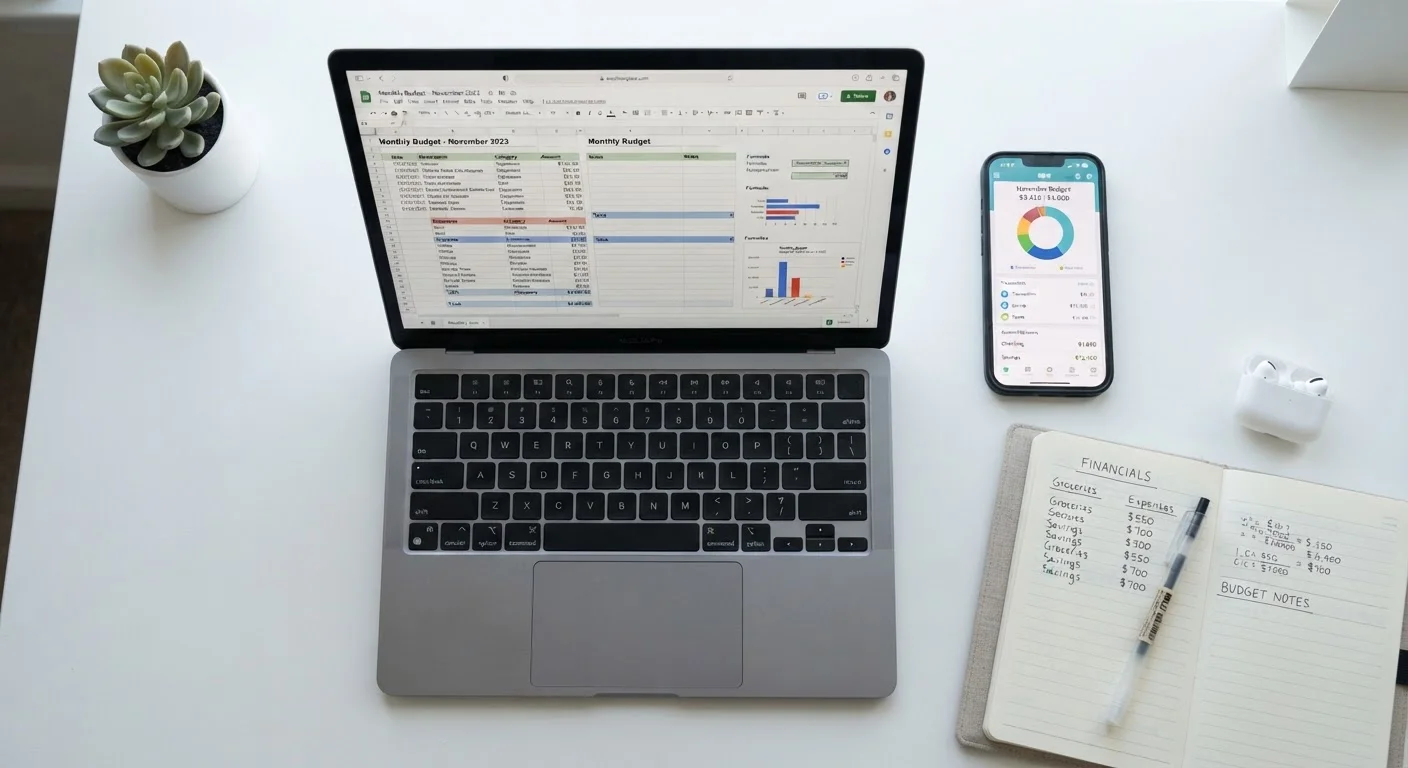
Spreadsheet application (e.g., Google Sheets or Excel)
Build and update a monthly budget template you can reuse and customize each month.
Bank and credit card statements
Pull last month's actual spending figures to use as your baseline for this month's estimates.
Budgeting app (e.g., a zero-based or envelope-style app)
Automate transaction tracking and category monitoring throughout the month.
Calendar
Map income deposit dates and bill due dates to avoid timing gaps or overdrafts.
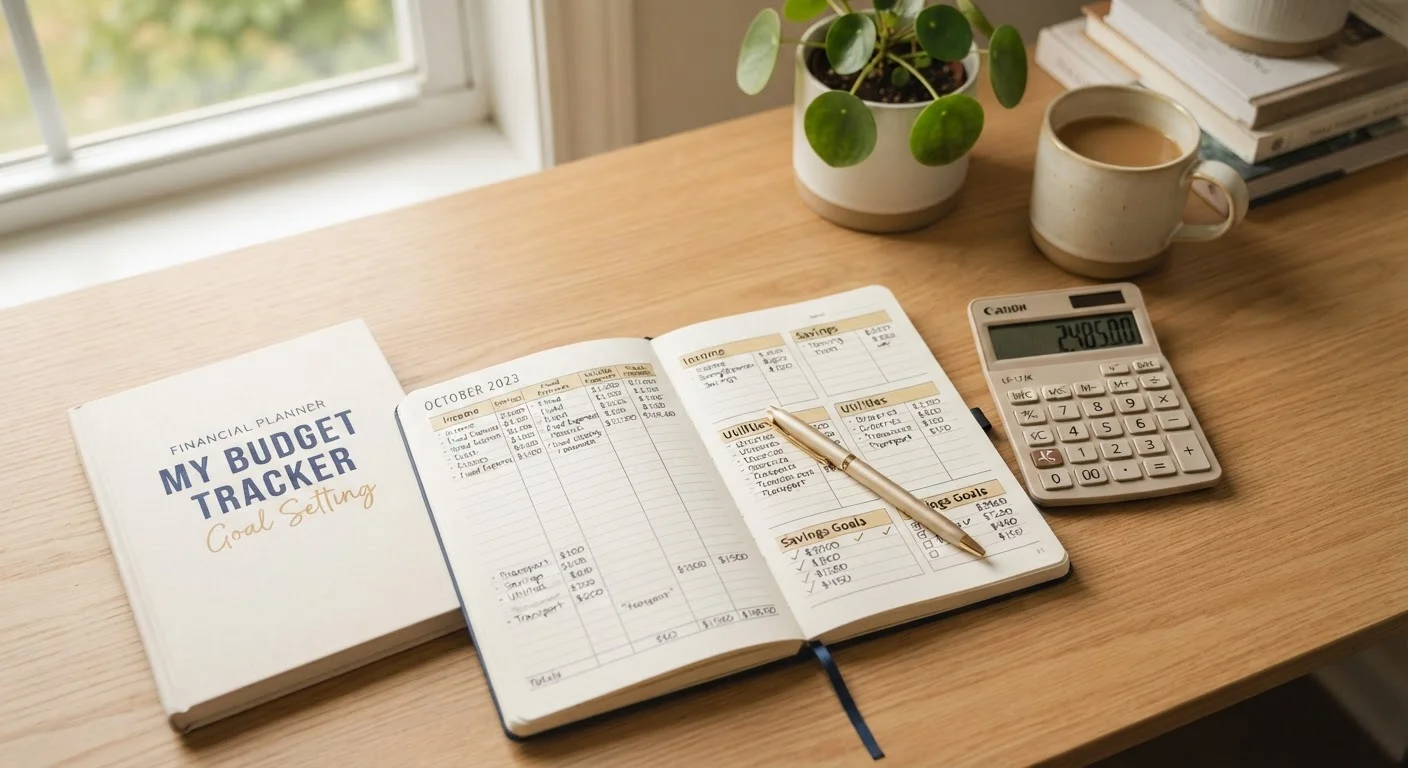
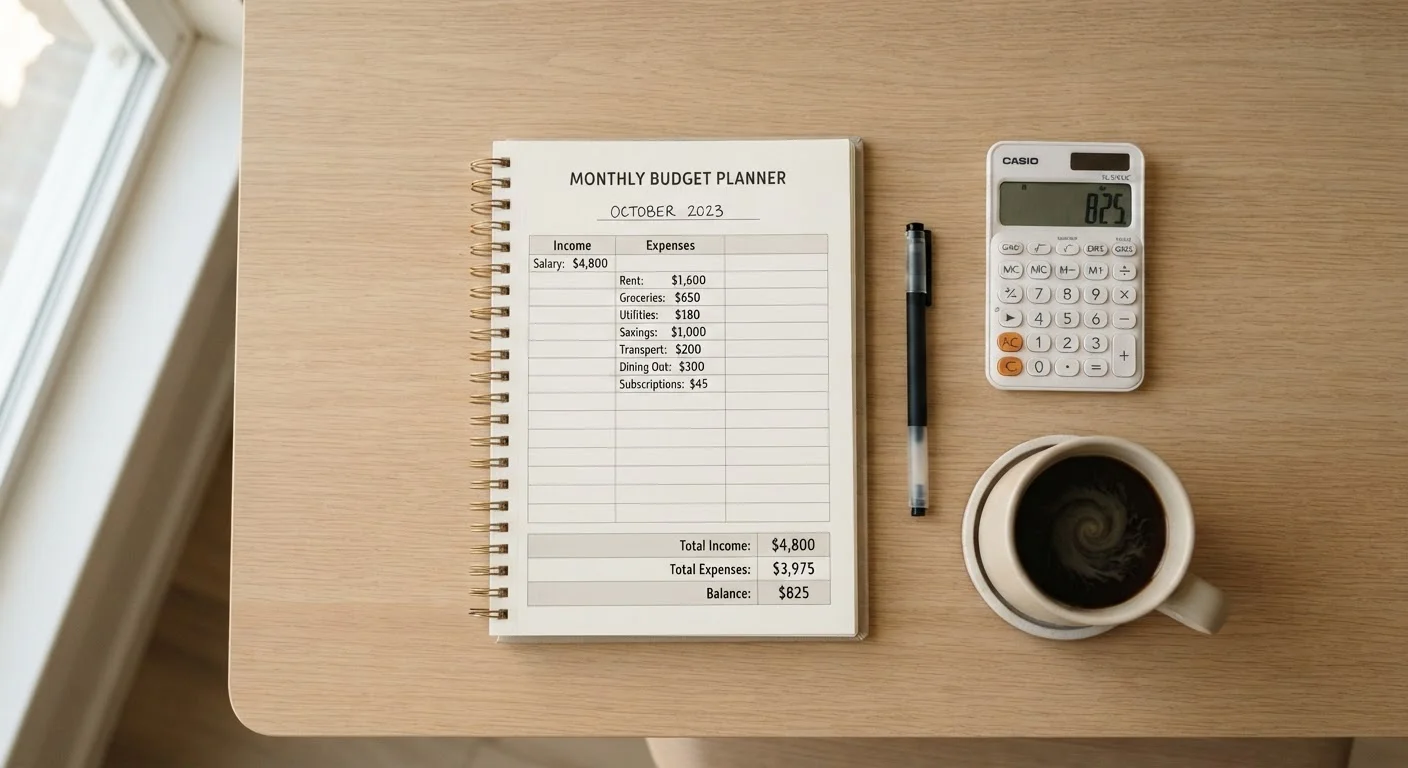
Notebook or printed budget worksheet
A pen-and-paper alternative for those who prefer a tactile, offline approach to monthly planning.
Common Mistakes to Avoid During Setup
Even well-intentioned budgeters run into a handful of recurring problems at the setup stage. Being aware of them upfront saves frustration later in the month.
Overestimating income. If your pay varies - because you're a freelancer, gig worker, or commission-based earner - resist the urge to budget from your best-case paycheck. Our guide on budgeting with irregular income walks through practical strategies for building a stable base when your earnings fluctuate.
Skipping the look-back. Last month's actual spending is your most honest data source. Before projecting forward, review what you actually spent versus what you planned. You can do this category by category using a household spending audit.
Treating savings as optional. Savings and debt repayment should be assigned first, not funded with whatever remains. If you're drawn to a method that enforces this principle, explore zero-based budgeting, which assigns every dollar a job before the month begins.
Don't Budget From Expected Overtime or Bonuses
It's tempting to include a bonus or anticipated overtime in your monthly income figure, but these amounts aren't guaranteed. Building your budget on income that may not arrive is one of the fastest ways to end the month short. Count uncertain income only after it's deposited - then direct it intentionally to a savings goal or debt payment.
This article is for general informational and educational purposes only and does not constitute personalized financial advice. Consult a qualified financial professional regarding your specific financial situation.