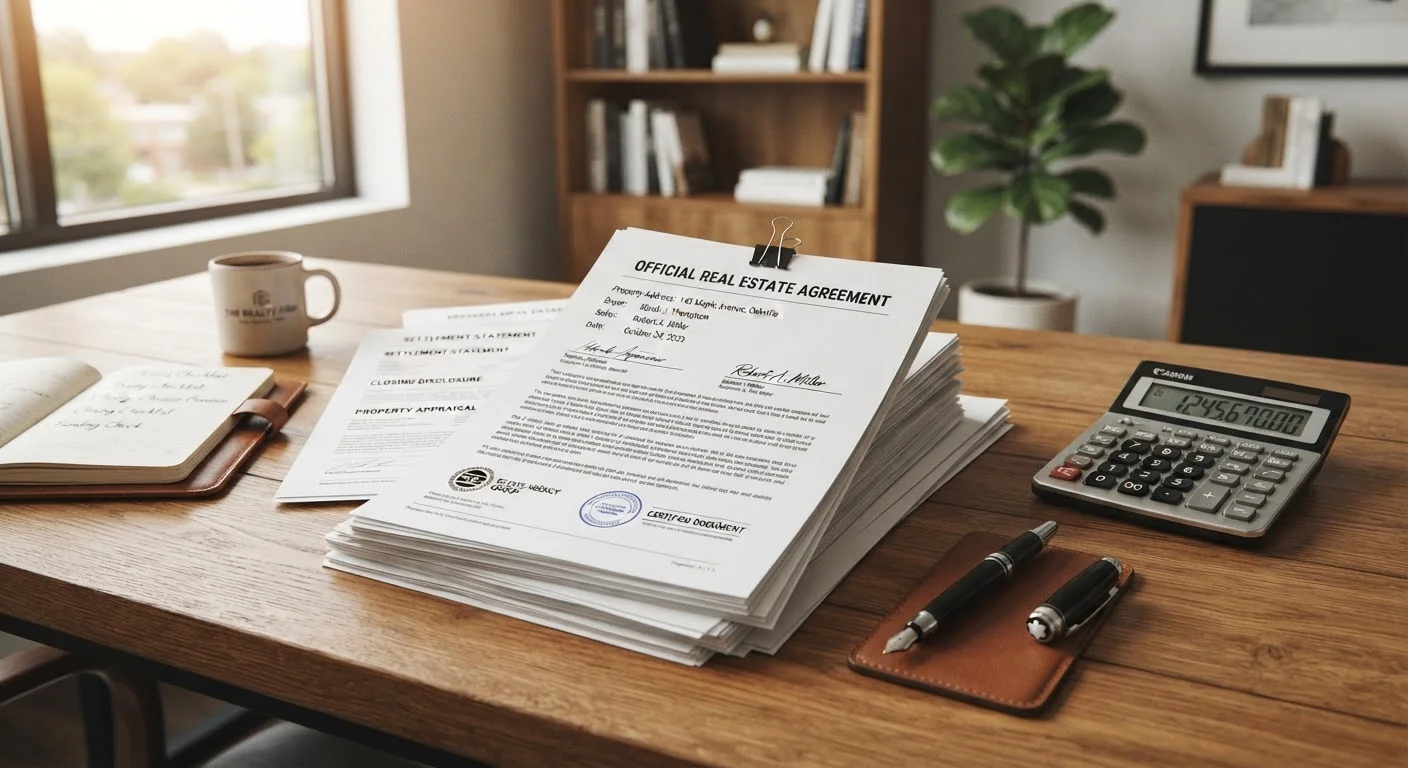

Before You Search: Getting Financially Ready
Renting your first apartment starts well before you scroll through listings. Landlords in competitive markets move quickly, and applicants who have their finances organized tend to secure units faster and on better terms.
The most common income guideline used in rental screening is the 30% rule: your gross monthly income should be at least three times the monthly rent. If a unit rents for $1,500 per month, most landlords will want to see at least $4,500 in monthly pre-tax income. Some markets and landlords use different thresholds, so confirm requirements early.
Your credit score matters almost as much as your income. Landlords typically pull a credit report to assess how reliably you have managed past financial obligations. If you are just starting to build a credit profile, see our guide on building credit from scratch before applying.
Finally, calculate your true upfront costs. Security deposits, application fees, and utility deposits add up quickly. For a realistic picture of what renting actually costs beyond monthly rent, review our companion article on the real costs of renting.
Security Deposit
A refundable sum of money paid upfront to the landlord, held to cover potential damages or unpaid rent. It is returned - minus any lawful deductions - after you move out.
Credit Score
A three-digit number (typically 300-850) that summarizes how reliably you have repaid debts. Landlords use it to assess the financial risk of renting to you.
Co-Signer
A person - often a parent or relative - who agrees to be legally responsible for your rent if you fail to pay. Landlords may require one if your income or credit is insufficient.
Lease
A legally binding contract between a tenant and landlord that sets the terms of renting: rent amount, duration, rules, and responsibilities of both parties.
Renters Insurance
An insurance policy that protects a tenant's personal belongings from loss due to theft, fire, or certain other events, and often includes personal liability coverage.
Habitability Standard
A legal requirement that landlords keep rental units safe and livable, with functioning heat, plumbing, and structural integrity. Tenants cannot waive this right.
Finding the Right Apartment
Once you know your budget, narrow your search by identifying non-negotiable priorities: commute time, pet policy, parking, laundry access, and neighborhood safety. Listing sites and local property management company websites are the most common starting points. In tight markets, apartment hunters sometimes find units through community boards, neighborhood social media groups, or word of mouth before listings go public.
When touring a unit, treat it like an inspection. Test faucets, flush toilets, run the dishwasher, and flip every light switch. Look closely at ceilings and under sinks for signs of water damage or mold. Confirm that door locks and window latches function properly. Take notes and photos during every tour so you can compare units accurately afterward.
Consider visiting the building at night or on a weekend to assess noise levels, parking availability, and how well-maintained common areas are. Speaking with current tenants - if they are willing - can reveal maintenance responsiveness and management quality that listings never mention.
Understanding the Application Process
Most rental applications ask for government-issued ID, proof of income (pay stubs, offer letters, or bank statements), references from past landlords or employers, and authorization to run a credit and background check. Have these documents ready in digital format to respond to listings immediately.
Application fees, which typically range from $25 to $75 per adult applicant, cover the cost of credit and background screening. These fees are generally non-refundable, so apply only to units you have toured and seriously intend to rent.
Prepare a Renter's Portfolio
Compile a single PDF or folder containing your photo ID, two to three recent pay stubs, a bank statement, and one or two references before you start applying. Having everything ready lets you submit applications within hours of finding a desirable unit - a real advantage in fast-moving rental markets.
If you lack a rental history - common for first-timers - offering a larger security deposit, providing a creditworthy co-signer, or supplying strong character references can help offset that gap. Some landlords also accept proof of consistent utility or phone bill payments as evidence of financial responsibility.
Under the federal Fair Housing Act, landlords cannot deny your application based on race, color, national origin, religion, sex, familial status, or disability. If you believe you were discriminated against, you can file a complaint with the U.S. Department of Housing and Urban Development (HUD).
Reading and Signing Your Lease
A lease is a legally binding contract. Read every clause before you sign, and ask for clarification on anything you do not fully understand. Key items to review include the lease term, monthly rent amount and due date, late fee policy, rules on guests and subletting, pet policies, and conditions under which the landlord may enter the unit.
Pay particular attention to the security deposit clause: how much is required, what conditions allow deductions, and how many days after move-out the landlord has to return it. State laws govern these timelines and vary significantly across the country.
Also confirm what utilities - water, gas, electricity, trash - are included in the rent versus billed separately. A lower advertised rent can become considerably higher once all utility costs are added. For a broader look at your ongoing rights and responsibilities as a tenant, our resource on navigating renting in America covers lease disputes, habitability standards, and moving out in detail.
If you are still weighing whether renting makes more sense than buying at this stage of life, our article renting vs. buying a home can help frame that decision objectively.
Move-In Day and Your Rights as a Tenant
On move-in day - or ideally before - conduct a thorough walkthrough of the unit and document every existing scratch, stain, or damage with timestamped photographs. Most landlords provide a move-in inspection checklist; complete it carefully and retain a copy. This documentation is your primary defense if a landlord later attempts to deduct pre-existing damage from your security deposit.
Tenants have legal rights regardless of what a lease says. Federal and state law requires landlords to maintain habitable conditions: functioning heat, plumbing, and protection from the elements. Many states go further, adding specific timelines for repair requests and protections against retaliation if you report code violations.
Setting up renters insurance before your first night in the unit is a practical step many first-timers overlook. It protects your personal belongings against theft, fire, or certain water damage, and typically includes personal liability coverage as well.
Renting your first apartment is a significant financial and personal milestone. Approaching it with preparation - organized documents, a realistic budget, and a clear understanding of your lease - gives you the strongest possible start.
This article is for general informational purposes only and does not constitute legal or financial advice. Rental laws and requirements vary by state and locality. Consult a qualified attorney or housing counselor for guidance specific to your situation.