
Why Pre-Sale Repairs Are a Strategic Decision
Every dollar you spend before listing should be evaluated through one lens: will this meaningfully improve the sale price, reduce time on market, or prevent a deal from falling apart? Many sellers instinctively want to present a perfect home, but overcapitalizing - spending more than a repair can return - is a common and costly mistake.
The starting point for most sellers should be a pre-listing home inspection. This is an inspection you commission yourself, before buyers enter the picture, to identify issues that are likely to surface during a buyer's inspection anyway. Knowing what's there allows you to fix what matters, price around what you won't fix, or disclose proactively - all of which tend to create smoother transactions. See our pre-listing preparation checklist for a broader overview of what to address before your home hits the market.
Market conditions also play a role. In a seller's market with low inventory, buyers may accept a home with minor issues rather than lose the opportunity. In a buyer's market, condition problems give buyers more leverage to negotiate aggressively or walk away.
Repairs That Tend to Pay Off
Fixing deferred maintenance removes buyer negotiating leverage
Unresolved maintenance items routinely appear in inspection reports and are used by buyers to justify price reductions that exceed the original repair cost. Addressing them upfront preserves your asking price.
Fresh neutral paint delivers strong visual impact at low cost
A full interior repaint in neutral tones is widely regarded as one of the most cost-effective pre-sale improvements, helping buyers envision the space as their own without a large capital outlay.
Roof and HVAC repairs reduce deal-fall-through risk
Lenders and buyers frequently flag failing roofs or non-functional HVAC systems as conditions of sale. Resolving these issues before listing reduces the likelihood of a deal collapsing after the inspection phase.
Curb appeal improvements shape buyers' first impressions
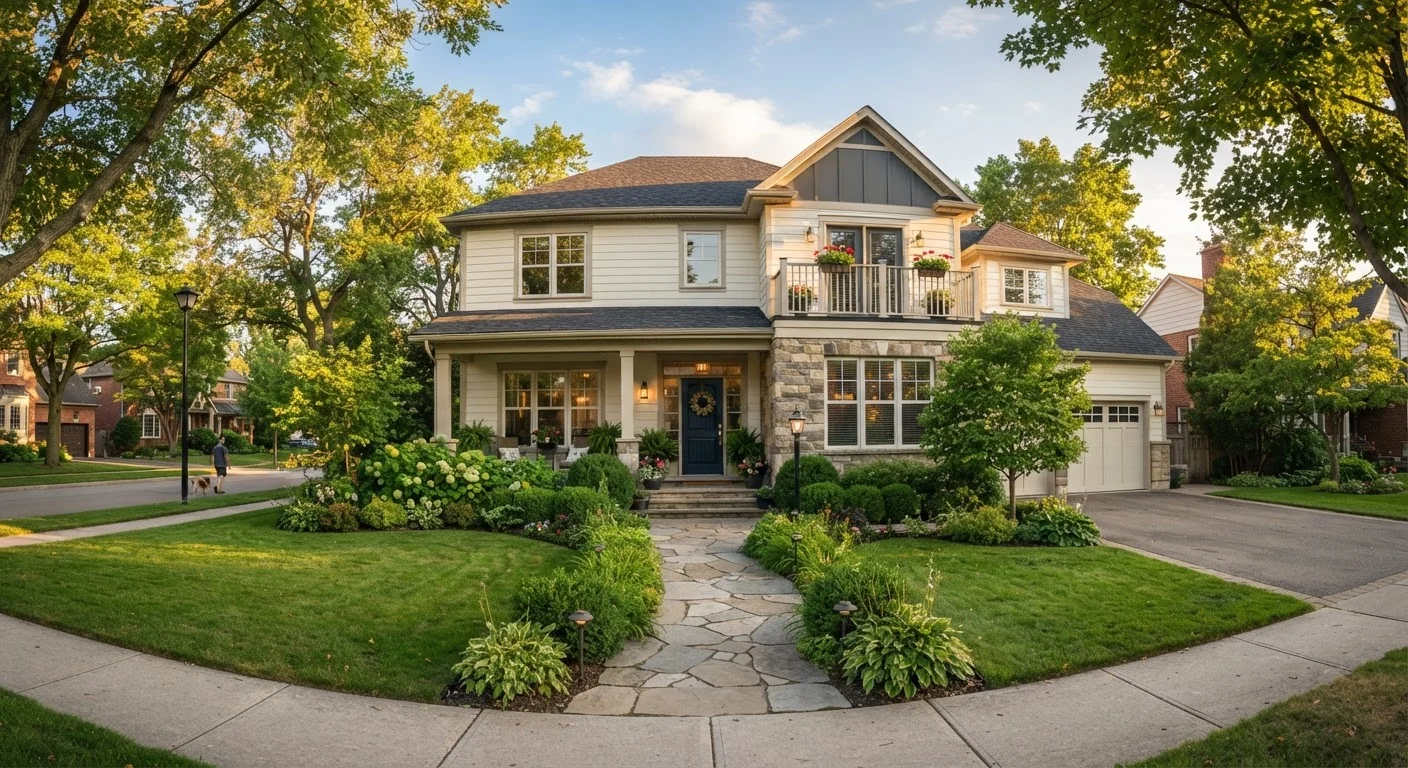
Landscaping cleanup, pressure washing driveways and walkways, and freshening exterior paint or trim set the tone before buyers cross the threshold, and that first impression is hard to reverse.
Proactive repairs support cleaner, faster closings
When known issues are already resolved, buyer inspections tend to produce fewer demands, fewer credits, and fewer delays - reducing the chance of renegotiation late in the process.
The common thread among high-value pre-sale repairs is that they eliminate objections rather than add luxury. Buyers and their agents quickly identify deferred maintenance, and it feeds into price reductions that typically exceed the original repair cost.
Functional systems - HVAC, plumbing, electrical - are high on that list. A furnace that needs replacing, a roof with documented leaks, or an electrical panel flagged as a safety hazard will almost certainly appear in a buyer's inspection report and become a negotiating chip. Addressing these upfront removes uncertainty and keeps the deal from unwinding at a late stage.
Fresh interior paint is consistently cited by real estate professionals as one of the highest-return cosmetic investments. Neutral tones broaden buyer appeal, and the cost is relatively modest compared to the visual impact. Similarly, improving curb appeal through landscaping cleanup, pressure washing, or exterior touch-ups shapes a buyer's first impression before they step inside - an impression that is difficult to reverse.
~$1.05
Return per dollar on minor kitchen remodels
Remodeling Magazine's Cost vs. Value reports have historically shown minor kitchen remodels (cabinet refacing, hardware, appliances) returning close to or slightly above cost, while major remodels return significantly less.
60-70%
Typical cost recovery on major bathroom additions
Industry cost-vs-value analyses generally estimate that adding a full bathroom recoups roughly 60-70 cents on the dollar at resale, with significant variation by market.
Repairs That Rarely Recoup Their Cost
Full kitchen remodels rarely return dollar-for-dollar
A high-end kitchen renovation can cost tens of thousands of dollars, but buyers may not value it equally - especially if the style doesn't match their preferences. Industry data consistently shows incomplete cost recovery on major kitchen overhauls before sale.
Pools can reduce buyer pool in many markets
A swimming pool adds ongoing maintenance costs and insurance considerations that deter many buyers, particularly families with young children or buyers focused on low-maintenance properties.
Personalized or bold design choices polarize buyers
Highly specific finishes, custom built-ins, or distinctive décor may appeal to some buyers but require others to immediately reverse the work - which they'll factor into their offer price.
Luxury upgrades rarely match neighborhood ceiling prices
In most markets, a home can only command so much relative to comparable sales nearby. Investing heavily in premium finishes in a mid-range neighborhood typically produces diminishing returns.
Over-improving can delay the listing without meaningful benefit
Time spent completing unnecessary renovations is time the home is off the market. In a shifting market, delays can mean listing into less favorable conditions.
The most common overspend before a sale is a full kitchen or bathroom remodel. Homeowners often assume that a newly renovated kitchen will translate directly into a higher offer - but buyers factor in their own tastes, and a renovation that cost $40,000 may add only a fraction of that in perceived value, particularly if the style doesn't match local buyer preferences.
Swimming pools are another example where cost rarely equals return. Installation is expensive, and many buyers in certain markets actively see pools as a liability due to maintenance costs, safety considerations, and insurance implications.
Highly personalized upgrades - bold wallpaper, niche built-ins, or specialty finishes - carry similar risk. What appeals strongly to one seller often requires a buyer to immediately undo the work, and they'll price their offer accordingly.
How to Decide What's Worth Fixing
A practical decision framework: distinguish between functional deficiencies and cosmetic preferences. Functional problems - things that affect the safety, habitability, or operation of the home - are almost always worth resolving before listing. Cosmetic preferences are highly subjective and should be approached with caution.
Consult your listing agent before starting any significant repair or renovation. A knowledgeable agent with local market experience can advise on what buyers in your price range and neighborhood actually expect, and which fixes are likely to shift offers in your favor. They can also help you decide whether to repair, credit, or disclose-and-price-accordingly for issues you choose not to fix.
For sellers weighing budget constraints, low-cost, high-impact improvements often outperform expensive projects. Replacing dated cabinet hardware, swapping out old light fixtures, deep cleaning grout and appliances, and improving lighting throughout the home are examples of changes that can noticeably improve a buyer's impression without requiring significant capital. Explore the home improvement guidance hub for practical maintenance and upgrade strategies that apply across many situations.
This article is for general informational purposes only and does not constitute financial, legal, or real estate advice. Consult a licensed real estate professional for guidance specific to your home, market, and circumstances.