The Legal Foundation: What Habitability Actually Requires
When you rent a home or apartment, you enter into more than a financial arrangement - you gain a set of legal protections rooted in a concept called the implied warranty of habitability. Recognized in most U.S. states, this doctrine holds that landlords must maintain rental units in a condition suitable for human habitation, whether or not the lease explicitly says so.
While the specific standards vary by state and sometimes by municipality, most jurisdictions require that a rental unit provide:
- Structural integrity - sound walls, floors, roof, and windows
- Functioning heat - especially during cold months, often regulated to a minimum temperature
- Plumbing and hot water - working toilets, sinks, and showers
- Electrical safety - outlets and wiring that meet code
- Freedom from infestations - no rodents, cockroaches, or other pests at move-in or due to building conditions
- Weatherproofing - protection from rain, wind, and moisture intrusion
These aren't optional amenities - they're baseline legal requirements. A landlord cannot contract around them. As explained in our guide to tenant rights every renter should know, the protections you carry into a rental are set by law, not just by your lease.
Document Issues From Day One
When you move in, photograph every corner of the unit and note any existing problems in writing - ideally on a move-in checklist provided to the landlord. If habitability issues emerge later, this baseline record demonstrates that conditions deteriorated during the tenancy and weren't pre-existing damage caused by you.
When a Landlord Is Violating Habitability Standards
Not every inconvenience constitutes a habitability violation. A broken dishwasher or a slow drain likely does not rise to the legal threshold - though it may still be a repair obligation under the lease. The line is crossed when a condition materially threatens the health, safety, or basic livability of the unit.
Common examples of potential habitability violations include:
- No heat during winter months
- Sewage backups or non-functioning toilets
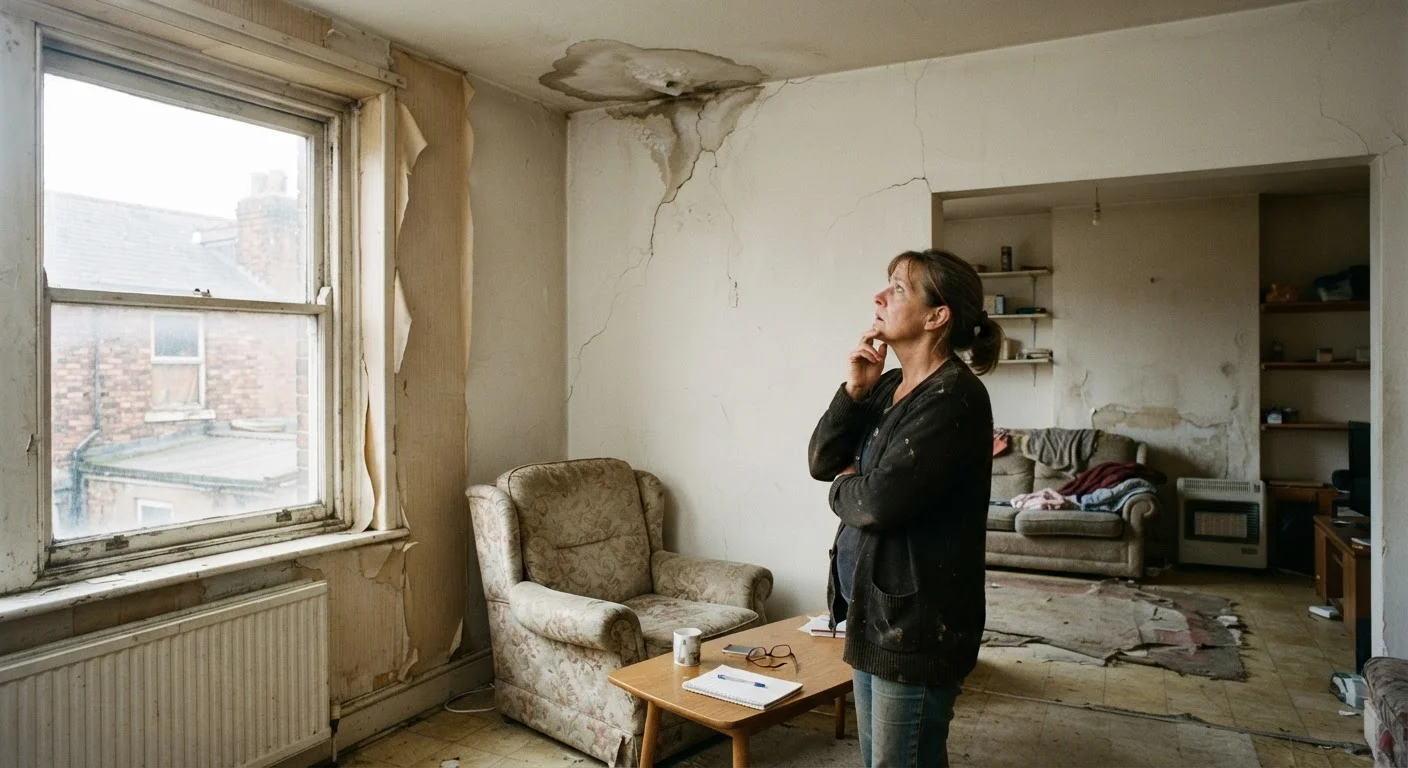
- Significant mold growth caused by unaddressed water leaks
- Structural damage that poses safety risks - such as a collapsing ceiling
- Pest infestations that the landlord fails to remediate
- Non-functioning locks or broken exterior doors
- Exposure to lead paint or asbestos in unsafe conditions
For more on how repair responsibility is divided between landlords and tenants, see our article on handling maintenance and repairs as a renter.
~50
States recognizing implied warranty of habitability
According to legal scholars and tenant law resources, nearly all U.S. states have adopted the implied warranty of habitability through statute or case law, with a small number of exceptions.
1 in 4
Renters reporting unaddressed maintenance issues
A Harvard Joint Center for Housing Studies report found that a significant share of renter households experience maintenance or repair problems their landlord does not adequately address.
Your Options When Habitability Conditions Aren't Met
If your landlord fails to address a genuine habitability problem after being notified, most states provide tenants with one or more legal remedies. The availability and process for each vary by state, so it's important to understand what applies in your jurisdiction before acting.
- Repair and Deduct
- Some states allow tenants to arrange and pay for a necessary repair themselves and deduct the cost from rent - subject to cost caps and procedural requirements.
- Rent Withholding
- In certain states, tenants may withhold rent (often into an escrow account) until conditions are remedied. Courts generally require documented prior notice to the landlord.
- Lease Termination
- Severe habitability failures may allow a tenant to vacate the unit and terminate the lease - sometimes called constructive eviction - without penalty.
- Complaints to Housing Authorities
- Local building inspectors or housing agencies can inspect the property and cite the landlord for code violations, creating an official record.
- Legal Action
- Tenants may pursue damages in small claims or civil court for rent paid during uninhabitable conditions, relocation costs, or other losses.
Whichever route you consider, documentation is essential. Photograph the problem, send written notice to your landlord (email creates a timestamp), and keep copies of all correspondence. Many common lease myths lead tenants to believe they have fewer rights than the law actually provides - written records help protect those rights if a dispute escalates.
“The implied warranty of habitability exists precisely because the rental market, left to private bargaining alone, may not adequately protect tenants who lack the leverage to demand safe conditions.”
— American Bar Association, National professional organization for legal practitioners and legal education
For a broader look at your rights and responsibilities throughout a tenancy, the renter's guide to navigating housing in America provides a comprehensive overview.
This article is for general informational purposes only and does not constitute legal advice. Habitability laws vary significantly by state and locality. Consult a qualified attorney or local tenant rights organization for guidance specific to your situation.