Why Reading the Full Lease Matters
The average residential lease runs between five and fifteen pages and contains provisions that will govern your life in that home for months or years. Yet surveys consistently find that many renters skim leases or skip them entirely, assuming the terms are standard. That assumption can be expensive.
A lease is a legally binding contract. Once signed, it obligates both parties - and courts generally enforce lease language as written, even if a tenant claims they didn't understand a clause. Understanding what you're agreeing to is your strongest protection. For a broader look at renter rights and responsibilities, see Navigating Renting in America.
It's also worth noting that some lease provisions are unenforceable regardless of what they say - because state or local law overrides them. Knowing the difference between a clause that's simply unfavorable and one that's outright illegal gives you real leverage.
What to Look for Before You Negotiate
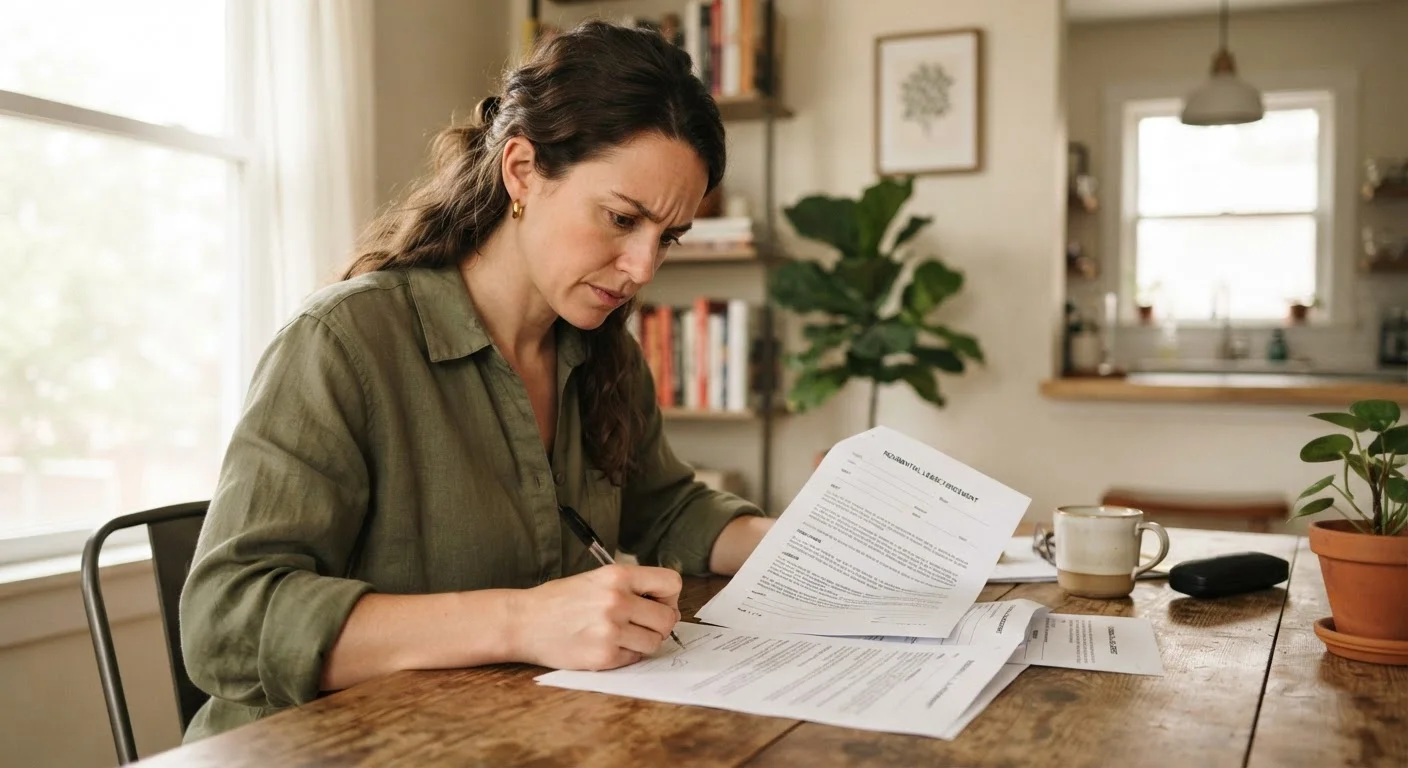
Before opening a negotiation, do a full read-through and flag every clause that raises a question or concern. Pay particular attention to the following areas:
What you will need
- Rent and escalation terms: Confirm the monthly amount, due date, grace period, and whether the landlord can raise rent mid-lease. Fixed-term leases typically lock in rent; month-to-month arrangements often allow increases with proper notice.
- Security deposit: Note the deposit amount, the conditions under which it can be withheld, and the timeline for return after move-out. Most states cap deposits and mandate written itemization of any deductions.
- Maintenance and repair responsibilities: Leases sometimes shift routine maintenance duties - such as lawn care, filter replacement, or minor repairs - to the tenant. Know exactly what you're accepting.
- Early termination: Look for the penalty if you need to leave before the lease ends. Some leases require forfeiture of the entire remaining rent; others charge a flat fee. Some states require landlords to mitigate damages by re-renting promptly.
- Renewal and notice requirements: Understand how much notice you must give to vacate, and whether the lease auto-renews if you don't act in time.
- Guest, subletting, and occupancy rules: Restrictions on guests, roommates, or subletting can be surprisingly strict. Violating them can constitute grounds for eviction.
- Pet policies and fees: Distinguish between a refundable pet deposit and a non-refundable pet fee - they are treated very differently at move-out.
Use a Checklist on First Read-Through
Create a simple checklist of the clause categories above before you open the lease. Checking each section off as you read keeps you systematic and reduces the chance of missing a buried provision. Many tenant rights organizations publish free lease review checklists specific to their state.
How to Negotiate Lease Terms
Negotiating a lease is legitimate and common - landlords expect it, particularly outside peak leasing season or in slower markets. The key is to be specific, reasonable, and professional.
Request the Lease in Advance
Ask for the lease document at least 48 to 72 hours before you're expected to sign. A landlord who refuses to share the lease ahead of signing is a red flag in itself. Use this time to read it thoroughly without pressure.
Identify Your Priority Changes
Not every concern is worth a negotiation. Rank your issues: distinguish between terms that are dealbreakers, terms you'd like changed, and terms you'll accept reluctantly. Going in with a focused list is more effective - and less adversarial - than objecting to everything.
Make Your Requests in Writing
Send your proposed changes via email - not just verbally. This creates a clear record and gives the landlord time to consider. Frame requests professionally: explain your reasoning briefly and, where possible, reference comparable terms or local norms.
Confirm All Changes in the Final Document
Before signing, compare the final lease against any changes that were agreed upon. Verbal commitments don't hold up - every modification should appear in the written document, either through a revised clause or a signed addendum attached to the lease.
Keep a Signed Copy for Your Records
Retain a fully executed copy of the lease - including any addenda - somewhere accessible for the duration of your tenancy. You may need to reference it if a dispute arises over repairs, deposit deductions, or notice requirements.
Red Flags and Unenforceable Clauses
Some lease language is worth flagging not because you can negotiate it away, but because it may be unenforceable or signal a problematic landlord. Watch for clauses that:
- Waive the landlord's obligation to provide habitable conditions - courts in every state reject this.
- Allow entry without notice - most states require 24 to 48 hours' advance notice except in emergencies.
- Impose penalties exceeding what state law allows for security deposits or late fees.
- Shift legal liability for the landlord's own negligence onto the tenant.
If you spot language that concerns you, contact a local tenant rights organization or a licensed attorney for guidance before signing. Note that lease terms differ significantly from the contracts used when buying property - if you're also exploring homeownership, reading a purchase agreement involves a different set of clauses and obligations.
State Law Trumps Lease Language
A lease clause that contradicts your state's landlord-tenant law is generally unenforceable - but you may still need to assert that right, in writing or through a formal complaint. Don't assume a landlord will acknowledge this without prompting. If you believe a clause violates local law, consult a tenant rights organization or licensed attorney before signing or waiving any claim.